
Layarxxipwyukahonjowasrapedbyherhusband Best //free\\ -
No.crs124
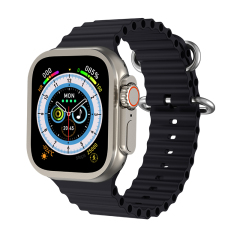
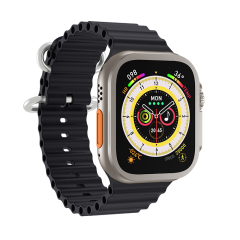
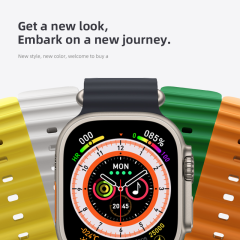
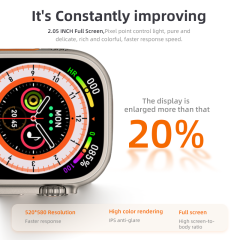
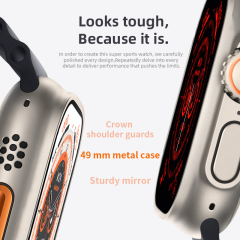
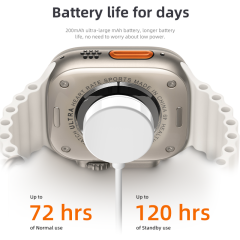
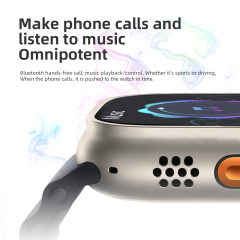
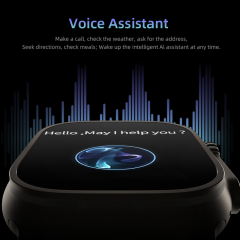
Best selling ZW8 Ultra Max smart watch series 8 ZW8 ultra Max energy watch BT call IP67 waterproof wireless charging HD screen
When a campaign features a survivor of a hate crime, the audience doesn't just feel sad; they learn what to look for . When a survivor of a stroke describes the FAST symptoms (Face, Arm, Speech, Time) through the lens of their collapse, the retention rate skyrockets.
Historically, many legal systems across the world operated under the doctrine of "marital exemption." This legal principle, often attributed to the 17th-century English jurist Sir Matthew Hale, posited that by entering into marriage, a spouse gave irrevocable consent to sexual relations. Under this archaic view, sexual assault within a marriage was legally impossible because consent was treated as a permanent contractual obligation.
Share Your Story | Donate to Campaigns | Find Local Resources
A report might state that "1 in 5 women experience sexual assault," but the story of a specific survivor, such as those highlighted in Athlete A (2020), makes the statistic undeniable and emotionally resonant.
Ensure there are enough trials and tribulations to make the reader care about the outcome [12, 16]. Engaging Themes:
Campaigns must prioritize the psychological safety of the storyteller. This includes providing access to support resources and ensuring that the process of retelling does not lead to re-traumatization.
: In health campaigns, narratives are used to increase cancer screening rates and encourage adherence to medical advice.
The campaign must center on real human experiences, not abstract corporate language.
Tell me which alternative you want and any target audience or length, and I’ll write it.
| Pitfall | Fix | | :--- | :--- | | Using graphic details for shock value | Edit out specifics. Ask: "Does this detail help someone heal or just traumatize viewers?" | | Asking survivors to work for free | Pay them as speakers, consultants, or content creators. | | One "poster survivor" for every issue | Feature diverse voices (different genders, ages, backgrounds, outcomes). | | No follow-up support | Assign a staff member to check in on the survivor 1 day, 1 week, and 1 month after posting. |


When a campaign features a survivor of a hate crime, the audience doesn't just feel sad; they learn what to look for . When a survivor of a stroke describes the FAST symptoms (Face, Arm, Speech, Time) through the lens of their collapse, the retention rate skyrockets.
Historically, many legal systems across the world operated under the doctrine of "marital exemption." This legal principle, often attributed to the 17th-century English jurist Sir Matthew Hale, posited that by entering into marriage, a spouse gave irrevocable consent to sexual relations. Under this archaic view, sexual assault within a marriage was legally impossible because consent was treated as a permanent contractual obligation.
Share Your Story | Donate to Campaigns | Find Local Resources
A report might state that "1 in 5 women experience sexual assault," but the story of a specific survivor, such as those highlighted in Athlete A (2020), makes the statistic undeniable and emotionally resonant.
Ensure there are enough trials and tribulations to make the reader care about the outcome [12, 16]. Engaging Themes:
Campaigns must prioritize the psychological safety of the storyteller. This includes providing access to support resources and ensuring that the process of retelling does not lead to re-traumatization.
: In health campaigns, narratives are used to increase cancer screening rates and encourage adherence to medical advice.
The campaign must center on real human experiences, not abstract corporate language.
Tell me which alternative you want and any target audience or length, and I’ll write it.
| Pitfall | Fix | | :--- | :--- | | Using graphic details for shock value | Edit out specifics. Ask: "Does this detail help someone heal or just traumatize viewers?" | | Asking survivors to work for free | Pay them as speakers, consultants, or content creators. | | One "poster survivor" for every issue | Feature diverse voices (different genders, ages, backgrounds, outcomes). | | No follow-up support | Assign a staff member to check in on the survivor 1 day, 1 week, and 1 month after posting. |